Garden Clearance in Sidcup

Garden clearance in Sidcup should leave outdoor spaces ready for the next stage, whether that means tidying a neglected plot, removing seasonal cuttings, or clearing away a mixed collection of branches, soil, old edging and general green waste. Our service is arranged around practical removal and sensible separation, so the work stays focused on the material that needs to go and the condition you want to achieve afterwards. We handle routine and one-off clearances with the same careful approach, keeping the process straightforward from the first enquiry to the final collection.
For many households and landlords, the main aim is to restore usable space without turning a simple job into a long weekend project. We can remove hedge cuttings, prunings, mown grass, leaves, broken planters, pots, fencing offcuts and other garden debris, subject to what is agreed for the visit. If you want a clear and tidy finish, our team can separate reusable material from waste where that is sensible, and take away the items that are ready for disposal.
When you are ready to compare options, ask for a quotation and see how the service can be arranged around your garden. If you prefer to talk through the work first, that is a useful next step too. Clearer access, clearer scope, clearer outcome is often the simplest way to approach a clearance of this kind.
What our garden clearance covers

A garden often accumulates more than ordinary green waste. Over time, a single corner can hold broken ornaments, untreated timber, rusting metal supports, bags of weeds and bulky items that no longer belong outdoors. Our garden clearance service is built for that mix. We can remove waste from borders, sheds, patios, paths and lawns, giving particular attention to awkward or heavy items that are easier to deal with as part of a planned clearance rather than piecemeal collection.
In practical terms, the service may include cuttings from shrubs and hedges, seasonal leaf fall, soil from shallow digging, turf offcuts, roots, old compost sacks, damaged fixtures and general outdoor clutter. We do not treat every load as simple green waste; some clearances involve a combination of organic and non-organic material, and that matters for handling and disposal. A sensible separation at the point of collection helps ensure the right waste is taken the right way.
If you are working around a boundary, a side access, a rear garden or a small paved area, the main challenge is often the layout rather than the volume. For that reason, a good clearance needs enough detail to reflect how the space is set out and what needs lifting from where. Tell us what you want removed, not just what is visible from one corner, and we can plan the job more accurately.
Green waste and mixed outdoor waste

Not every garden clearance is the same, and the difference between green waste and mixed outdoor waste is often important when deciding how to proceed. Green waste generally covers material from living plants, such as branches, hedge trimmings, grass and leaves. Mixed outdoor waste may include these items together with pots, broken furniture, slabs, timber and dismantled garden features. Our service is suitable where the load includes both categories and needs to be removed in one organised visit.
This distinction also helps when planning the labour involved. Lightweight foliage can be straightforward, while heavier items such as wet soil, fencing panels or stacked pots may need more handling. We can factor that into the quote and the collection plan. Where items are already loose and accessible, the work tends to move more smoothly; where material is tangled, buried or mixed with debris, more time is needed to sort and lift it safely.
Useful things to mention when asking for a quotation include the type of waste, how much there is, whether access is through the house or outside, and whether there are bulky pieces that need dismantling. You do not need to over-explain the garden itself, but a few clear details help set expectations. A concise description is usually enough to produce a sensible estimate.
Overgrown gardens and seasonal clear-outs
Some gardens need more than a routine tidy-up. Long grass, brambles, fallen branches and thick growth can make a space difficult to use and even harder to assess. A clearance in that situation is usually about reducing the volume of material first, then removing the rest in a controlled way. We can work through overgrown areas methodically, clearing enough to reveal paths, edges and structural features without turning the job into unnecessary disturbance of the whole site.
Seasonal work often has a different feel. After autumn, gardens may hold large quantities of leaves and small twigs; after pruning, there may be stacked branches, trimmed stems and bags of clippings waiting to be taken away. These jobs are often best handled promptly, before the waste spreads across the site or becomes difficult to move. Keeping the clearance focused on the current season’s growth can make the whole area easier to manage afterwards.
For customers who are unsure whether a clearance or a lighter tidy is more suitable, it helps to think about the result rather than the label. If the main need is to remove waste and regain usable space, a garden clearance is normally the better fit. If you have several different types of outdoor waste, we can discuss the most efficient way to remove them together and keep the work proportionate to the task.
Practical preparation before collection
Before a clearance visit, a little preparation can help the work run smoothly, especially where items are mixed across different parts of the garden. If there are objects you want to keep, moving them aside in advance reduces the chance of confusion. Likewise, if waste is spread across beds, paths and storage areas, grouping similar material together can save time on site. That does not mean the area must be perfectly sorted; it simply makes the task easier to assess and complete.
It is also useful to think about access. Gates, side passages, locked sheds and uneven surfaces can all affect how the clearance is carried out. If there are fragile features nearby, such as glass, ornaments or young planting, mentioning them early helps us avoid unnecessary disruption. The aim is a tidy removal with as little disturbance as practical, so a few notes before the visit are often worthwhile.
When the scope is clear, the quotation process becomes easier too. A short list of the items, an approximate idea of volume and any access limitations will usually be enough. Simple information, given once, tends to be more helpful than a long back-and-forth. If you are ready, you can ask for a quote and we can take it from there.
Typical items we are asked to remove
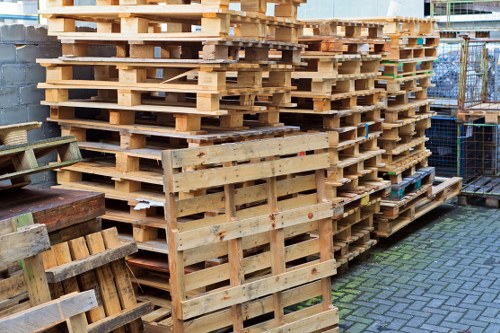
Garden clearances can cover a wide spread of material, and it is often the combination rather than any single item that makes the job feel substantial. Typical removals may include hedge cuttings, branches, leaves, weeds, lawn cuttings, damaged pots, broken trellises, old compost, timber offcuts, discarded edging and general outside clutter. Where the waste has built up over time, we can work through it in a logical order so that the space is left ready for further gardening or simple use.
Some customers also need help with older items that no longer serve a purpose, such as cracked water butts, worn plant stands, collapsed storage boxes or loose pieces from dismantled beds and borders. These are often best dealt with during the same visit as the green waste, especially if they are already gathered in the same area. Combining related items is often more efficient than arranging several smaller removals.
We can also discuss whether certain materials should be separated in advance. For example, a pile of clean branches is easier to handle than a load mixed with soil, rubble and plastic ties. If you are not sure what should stay and what should go, that is fine; a straightforward description of the area is usually enough to decide the best approach.
How the work is priced and planned
Garden clearance pricing usually depends on the amount of waste, the type of material, the ease of access and any handling needed for bulky or awkward items. A load of loose cuttings in one corner will normally be simpler to remove than a mixed pile spread across different levels or tucked behind heavy furniture. Because of that, the quote should reflect the real work involved rather than a rough guess based only on the size of the garden.
Planning also depends on what happens before the clearance begins. If waste is already gathered, the removal can be more direct. If it needs sorting from keepers, plant pots, supports or stored equipment, that adds to the task. In some gardens, there may be narrow routes or limited turning space, which can affect how the work is carried out. Those practical details are often more important than a broad description of the site.
Good quotations are usually based on clear, ordinary facts: what needs removing, where it is, and whether there are obstacles. You do not need a formal inventory, but it helps to mention anything unusual. Once that is clear, it becomes easier to decide whether a single visit is appropriate or whether the clearance should be staged in a particular way.
About Sidcup
Sidcup is a district in the London Borough of Bexley, in south-east London, with a character shaped by suburban growth, older village origins and long-standing transport links into the capital. Historically, it developed from a rural settlement into a residential area, and the modern town centre reflects that shift through a mix of everyday shopping streets, local services and later twentieth-century development. The name is strongly associated with the wider borough, yet Sidcup retains its own distinct identity within it, helped by a recognisable centre and a set of local roads that tie neighbourhoods together. The area sits close to the boundary with Kent, which adds to its sense of being a place of connection rather than isolation. Much of Sidcup’s built environment consists of residential streets, schools, local parades and civic buildings rather than a single dominant landmark, so its character is best understood as layered and practical. Green space is part of that picture too. Sidcup lies within reach of parkland and open areas such as Foots Cray Meadows, a significant expanse of riverside and meadow landscape nearby that offers a contrast to the denser streets and shopping frontage. The Cray valley has shaped the wider geography of the district, with waterways, bridges and routes influencing how the settlement developed. As with many south-east London places, the architectural mix includes interwar housing, post-war infill and remnants of earlier periods, creating a varied streetscape rather than a uniform one. That variety gives Sidcup a recognisable everyday rhythm: residential, local and connected to the wider urban edge while still retaining features that feel distinctly part of its own locality.
Outdoor waste removal for clearer spaces

Some customers need a garden clearance because a space has become difficult to use, while others simply want a cleaner starting point for planting, repair or redesign. Either way, the practical aim is the same: to remove what no longer belongs in the garden and leave the remaining area easier to work with. We can clear waste from corners, paths, borders and storage areas, helping to make the garden feel more ordered without overcomplicating the job.
Where outdoor waste is mixed with general household items, we can discuss the most suitable approach rather than treating everything as identical. This is especially useful when a clearance includes a few garden-only materials alongside items from a shed, side passage or patio. In those cases, the work benefits from being grouped sensibly so that each type of waste is handled in the right way. A clear plan is usually better than a hurried one, particularly where access is limited or the load is uneven.
To move forward, send a brief description of the garden and the items that need removing, and ask for a quotation when you are ready. If you want to compare the scale of the job with the scope of the service first, that is perfectly fine. A short enquiry is often enough to begin.
Useful ways to prepare for a quote
A quotation is easier to set when the basic facts are clear, so it can help to think through the job in practical terms before you get in touch. How much waste is there? Is it mostly green material or a mixed outdoor load? Are there heavy items that need lifting, or awkward pieces that will need dismantling first? Answers to those questions give a much better picture than a broad statement that the garden simply needs clearing.
If possible, note whether access is direct or whether the team must pass through the house, a side gate or a narrow pathway. It is also useful to mention whether any waste is stacked, bagged or scattered. These details do not need to be perfect; they simply help shape a more accurate estimate and reduce the chance of surprises later. Clear, ordinary information is usually all that is required.
Once the scope is known, the next step is straightforward. Ask for a quotation, compare it with the work you want done, and decide whether the clearance should take place as a single visit or as part of a broader outdoor tidy-up. If you are ready to begin, we are ready to look at the details.