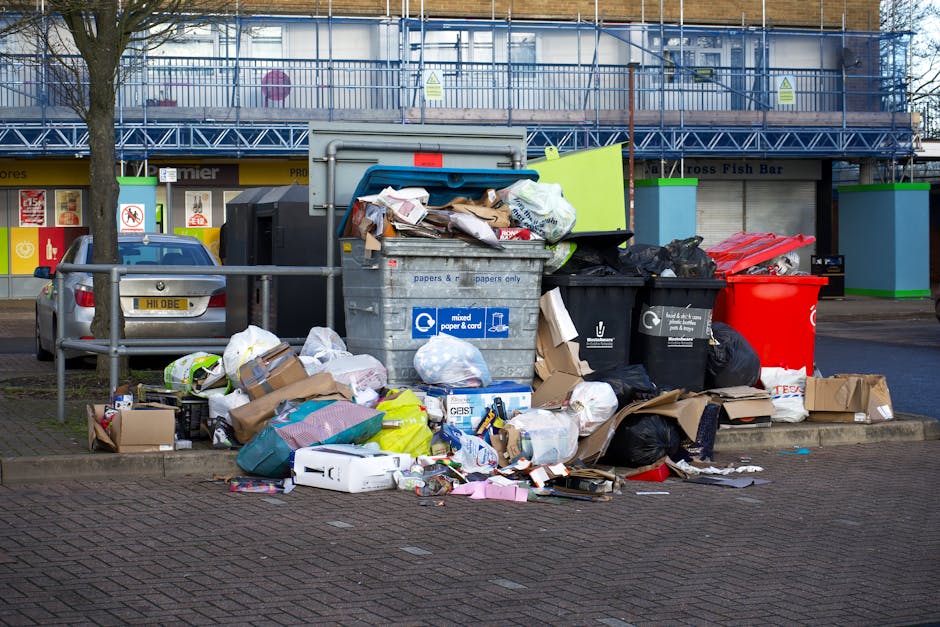
Queen Marys Hospital Sidcup Bulky Waste Removal Tips
If you are sorting out bulky waste near Queen Marys Hospital Sidcup, the job can feel deceptively simple at first. A chair here, a wardrobe there, maybe an old mattress or a pile of mixed household items. Then reality kicks in: awkward lifting, tight access, timing issues, and the nagging question of where everything should actually go. These Queen Marys Hospital Sidcup bulky waste removal tips are here to make the whole process calmer, safer, and a lot more efficient.
Whether you are clearing a home after a move, tidying a garage, dealing with furniture that has finally had its day, or helping a business move on old stock, the same principles apply. Plan the removal properly, keep safety in mind, and choose the right method for the job. Sounds obvious, but honestly, the small details make the biggest difference.
This guide walks you through the practical side of bulky waste removal, including how it works, what to avoid, how to stay compliant, and when a professional clearance service is the sensible option. If you want a smoother clean-up with fewer surprises, you are in the right place.
Why Queen Marys Hospital Sidcup bulky waste removal tips Matters
Bulky waste is not just "big rubbish". It usually means items that are too large, awkward, or heavy for a standard bin collection. Think sofas, beds, wardrobes, filing cabinets, broken exercise equipment, unwanted office furniture, and mixed items from a loft, garage, or garden clearance. Around a busy area like Queen Marys Hospital Sidcup, getting rid of these items the wrong way can create delays, block access, and add unnecessary stress to a day that is already busy enough.
Good planning matters because bulky waste often has more than one problem attached to it. Some items are heavy. Some are dirty. Some are recyclable. Some may need disassembly before moving. And some, if they contain electronics or hazardous parts, need special handling. If you rush, you can end up with damaged walls, strained backs, or a collection that does not go quite as planned. Not ideal.
There is also the practical reality of local access. Flats, narrow hallways, parking restrictions, shared entrances, and lift access can all influence how waste is removed. A smart approach reduces time on site and makes the handover smoother. That is especially useful for anyone arranging a home clearance, furniture disposal, or garage clearance in the area.
Expert summary: the best bulky waste removal is rarely the fastest-looking option at the start. It is the one that is sorted, separated, lifted safely, and removed with a clear plan. That is where most of the time and money are saved, even if it feels a little slower at first.
How Queen Marys Hospital Sidcup bulky waste removal tips Works
In practice, bulky waste removal is a simple process made easier by preparation. You identify what needs removing, decide what can be reused, recycled, or disposed of, and then choose the method that fits the volume and access requirements. For many households and businesses, that means either booking a specialist clearance service or arranging transport and labour yourself.
Here is the basic flow you will usually see:
- Walk through the space and list every bulky item.
- Separate items by type: furniture, white goods, electricals, mixed waste, and reusable pieces.
- Check access: stairs, lifts, parking, doorway widths, and any awkward corners.
- Decide whether items need dismantling before removal.
- Choose a collection method, then prepare the items for easy lifting and loading.
- Make sure anything sensitive, confidential, or hazardous is isolated.
That sounds orderly on paper. In reality, a messy cupboard or a half-cleared loft often turns into a "while we are at it" situation. You notice three extra things, then four more, and before long the job has doubled. It happens all the time. The trick is to stop and assess before moving anything heavy.
If you need broader support for mixed waste, a service like waste removal can be a helpful starting point, especially when the load is not limited to one type of item. For households with a fuller property clear-out, home clearance and house clearance are often more practical than trying to piece the job together in stages.
Key Benefits and Practical Advantages
When bulky waste is managed properly, the benefits are immediate and quite noticeable. The space feels different straight away. You can see the floor again. You can move without side-stepping furniture. And mentally, that is a relief too. People often underestimate how much a cleared room changes the mood of a property.
Here are the main advantages:
- Safer lifting and handling: fewer injuries, less twisting, and less chance of damaging property.
- Faster clearance: a good plan reduces wasted trips up and down stairs.
- Better sorting: items can be separated for reuse, recycling, or disposal.
- Less disruption: especially important if you are working near active homes, offices, or medical-adjacent premises.
- Cleaner finish: the space is left easier to use or hand over.
There is also a cost angle. If you prepare well, you may need fewer labour hours and fewer collection runs. That does not mean doing more yourself is always cheaper; sometimes it simply means making sure the work is not duplicated. A single carefully planned collection can be better than three improvised ones.
For larger furniture items, using a dedicated service such as furniture clearance or furniture disposal can save a lot of time, especially when a sofa, mattress, or wardrobe needs to come out of a tricky room. If the issue is a cluttered storage space, garage clearance and loft clearance are often the better fit.
Who This Is For and When It Makes Sense
These tips are useful for a wide range of people, not just those facing a one-off rubbish pile. If you are near Queen Marys Hospital Sidcup and dealing with bulky items, you may be:
- a homeowner clearing out furniture after a move
- a tenant trying to leave a place tidy and ready for inspection
- a landlord handling left-behind items
- a business owner clearing old desks, chairs, and archive units
- a contractor dealing with leftover materials after works
- someone sorting a garden, loft, garage, or flat that has simply got away from you a bit
It also makes sense when the job includes items too awkward for ordinary bin services. A broken filing cabinet, for example, is not something you want to drag through a corridor at 8am while everyone else is trying to get on with their day. Likewise, a heavy old wardrobe can turn into a minor disaster if it is not measured, emptied, and dismantled first. Truth be told, the item itself is often not the hardest part - it is the route out.
If the clearance is business-related, the service side is different again. A commercial site may need careful timing, especially if staff, customers, or patients are moving around. In those cases, a more structured approach such as office clearance or business waste removal can keep everything tidy and less disruptive.
Step-by-Step Guidance
If you want the removal to go smoothly, take it one stage at a time. No heroics. No rushing the first box you see.
1) Sort everything before moving it
Start by grouping items into clear categories: keep, donate or reuse, recycle, and dispose. That one decision can save a surprising amount of labour. Once a sofa is outside, it is much harder to decide whether it should have been dismantled, cleaned, or passed on.
2) Measure access routes
Measure door widths, stair turns, lift sizes, and any low ceilings or awkward corners. You do not need exact engineering precision, just enough to avoid that lovely moment where a wardrobe gets stuck halfway down the stairs. We have all seen that sort of thing, and it is never funny at the time.
3) Empty and dismantle where needed
Remove loose contents, shelves, drawers, and detachable legs before lifting anything. Flat-pack units, bed frames, and modular furniture are often easier to move in sections. Even a small amount of dismantling can make a huge difference to safety and speed.
4) Protect floors and walls
Use blankets, cardboard, or protective coverings in tight spaces. A quick scrape can leave marks on painted walls or polished floors, especially in older buildings where hallways are narrow. Small bit of care here saves an annoying repair later.
5) Load by weight and shape
Heavier items should go low and steady. Awkward shapes should be secured so they do not shift in transit. The aim is to make the load stable and easy to unload, not just to cram everything in and hope for the best.
6) Confirm the end destination for each item
Some items can be reused. Some should be recycled. Others are just waste. If you are booking a professional service, ask how different items are handled. A responsible company should be clear about sorting and disposal routes, even if it cannot promise a specific destination for every single item.
7) Do a final sweep
Before the team leaves, check behind doors, under stairs, in cupboards, and in corners. It is often the last chair leg or a forgotten bag of mixed bits that causes the extra return visit. A quick sweep avoids that headache.
Expert Tips for Better Results
A few small habits make bulky waste removal much easier. These are the details that experienced clearance teams tend to rely on, and they are worth copying.
- Take photos before the job starts. It helps with planning and makes it easier to discuss what needs to go.
- Keep a clear path. Move rugs, shoes, loose cables, and small items out of the route first.
- Label items if the space is shared. Useful in flats, offices, and mixed-use properties where not everything belongs to the same person.
- Separate reusable items early. Good furniture sometimes deserves a second life.
- Think about timing. Early morning or quieter periods can make access easier around busy roads and shared entrances.
- Do not lift alone if the item is uncertain. Two people is safer than one, almost always.
One thing people often forget: bulky waste is rarely just about weight. It is about awkwardness. A lightweight but oversized item can be more troublesome than a heavy one if it catches on a corner or blocks a staircase. So look at shape as well as size.
If you are handling mixed contents from a room or property, services like flat clearance and furniture disposal can be especially useful because they deal with the messy reality of real homes, not just one neat category of waste.
Common Mistakes to Avoid
The most common mistakes are usually boring, which is probably why they happen so often. No drama, just small oversights that become bigger problems.
- Starting without sorting. If you do not separate items first, the whole job becomes slower and more confusing.
- Ignoring access constraints. Tight corners, shared hallways, and parking can all affect the plan.
- Underestimating weight. That old chest of drawers looks harmless until you actually move it.
- Forgetting to disassemble items. Many large pieces are designed to come apart.
- Mixing waste types. Electronics, wood, metal, upholstered furniture, and general waste may be handled differently.
- Leaving sharp or dangerous items loose. Broken glass, protruding nails, and damaged frames need care.
- Not checking paperwork or service terms. Especially important where access, payment, or restrictions matter.
Another frequent issue is assuming everything can go in one pile. Sometimes it can, sometimes it cannot. If your clearance includes trade waste, demolition offcuts, or heavy mixed materials, a dedicated approach such as builders waste clearance may be more appropriate than a standard household uplift.
Tools, Resources and Recommendations
You do not need a van full of specialist equipment to make a bulky waste job easier. A few simple tools go a long way.
| Tool or Resource | Why It Helps | Best Used For |
|---|---|---|
| Measuring tape | Checks doorways, stairs, and item dimensions before lifting | Large furniture, wardrobes, beds |
| Basic hand tools | Helps dismantle flat-pack and modular items | Beds, cabinets, shelving |
| Protective gloves | Improves grip and reduces the chance of cuts or scrapes | Mixed bulky waste, rough materials |
| Furniture blankets or cardboard | Protects walls, floors, and door frames | Shared access routes, narrow hallways |
| Labels or tape | Keeps keep, reuse, and disposal piles clear | Home clear-outs, office clearances |
For a more structured clear-out, it can help to review related service pages before you book anything. A full house clearance may suit a whole property, while a smaller furniture clearance may be enough for a handful of large items. If you are dealing with outdoor clutter too, garden clearance is a better fit.
And if you are comparing providers, take a proper look at pricing and quotes, along with operational pages such as recycling and sustainability, insurance and safety, and health and safety policy. That gives you a better sense of how the business works, not just what it says on the tin.
Law, Compliance, Standards, or Best Practice
Bulky waste removal in the UK sits within a practical framework of duty of care, safe handling, and responsible disposal. You do not need to become a legal expert to do this well, but you do need to be careful about what leaves the property and who is taking it away. If you are arranging the work yourself, make sure the waste goes to a legitimate destination and that the provider is appropriate for the type of material.
For many readers, the simplest best practice is this: keep a clear record of what was removed, separate anything hazardous, and use a service that can explain how it handles waste. That is especially relevant for electronics, items with batteries, confidential business materials, or anything contaminated. A little caution here is sensible, not fussy.
In shared or managed buildings, it is also worth being mindful of residents, staff, patients, or visitors. Try to avoid blocking pathways, leaving debris behind, or moving items through busy spaces without notice. Good manners count for a lot, especially in places where access is already tight.
If you want to understand how a provider approaches trust and accountability, pages such as about us, terms and conditions, complaints procedure, and privacy policy can be useful reading before you commit.
Options, Methods, or Comparison Table
There is more than one way to remove bulky waste, and the best choice depends on the size of the job, the access, and how much time you have. Here is a simple comparison to make the decision easier.
| Method | Best For | Pros | Watch Outs |
|---|---|---|---|
| DIY removal | Very small volumes, easy access, light items | Can be flexible and low-cost if you already have transport | Heavy lifting, time, loading issues, disposal uncertainty |
| Man-and-van style clearance | Medium loads, furniture, mixed household items | Quick, convenient, less physical effort for the customer | Needs clear pricing and item list beforehand |
| Full property clearance | Homes, flats, lofts, garages, or offices with substantial clutter | Most efficient for larger or multi-room jobs | Requires planning and clear access notes |
| Specialist clearance | Builders waste, business waste, or mixed heavy materials | Better suited to the waste type and compliance needs | May not be necessary for simple household items |
To be fair, the right option is often obvious once you look at the volume honestly. If you are only moving one chair and a lamp, you do not need a full clear-out. If you are staring at a garage packed from floor to ceiling, then yes, a bigger service makes far more sense than trying to do it in Sunday afternoon bursts.
Case Study or Real-World Example
A typical local example might look like this: a family near Queen Marys Hospital Sidcup needs to clear an upstairs bedroom after a renovation. The room contains a double bed frame, mattress, chest of drawers, a broken desk chair, old shelving, and a few bags of mixed clutter that somehow migrated there over the years. Nothing outrageous, but enough to create a bottleneck.
They start by sorting the room into piles. The bed frame is dismantled. The drawers are emptied. Loose items are boxed. Measurements are checked before anything is lifted into the hallway. Because the staircase turns sharply at the bottom, the large wardrobe gets moved in two sections rather than one. It takes a bit more thought upfront, but the job finishes without scuffed walls or a strained back.
The real win is not just removal. It is how calm the process feels when the plan is clear. The room is ready for decorating that same day, and nobody is still staring at a half-moved wardrobe at 7pm wondering what went wrong. Small reliefs, but they matter.
A similar approach works for business premises too. Office chairs, desks, shelving, and archive units all need sorting, and a careful method keeps disruption lower. That is why a page like office clearance is useful for commercial moves, while business waste removal supports ongoing operational clearance needs.
Practical Checklist
Use this checklist before any bulky waste collection or clear-out. It is simple, but it catches most of the things people forget in the rush.
- List every bulky item that needs removing.
- Separate keep, reuse, recycle, and dispose piles.
- Measure all routes from room to exit.
- Empty drawers, cupboards, and hidden compartments.
- Dismantle furniture where practical and safe.
- Protect floors, corners, and door frames.
- Check for sharp edges, loose glass, or protruding fixings.
- Confirm parking and access arrangements.
- Isolate anything sensitive, hazardous, or confidential.
- Do a final sweep before the team leaves.
One extra tip: keep a bin bag or box nearby for the odd bits you find during the job. There are always odd bits. A cable here, a remote there, a handful of screws you forgot existed. The sort of thing that makes the final ten minutes drag on if you are not ready for it.
Get a free quote today and see how much you can save.
Conclusion
Bulky waste removal near Queen Marys Hospital Sidcup does not need to be complicated. With the right plan, a sensible approach to access and lifting, and a clear idea of what should be reused, recycled, or disposed of, you can turn a stressful task into something manageable. That is really the whole point of these Queen Marys Hospital Sidcup bulky waste removal tips: less chaos, more control.
If you are dealing with a small load, careful sorting and a bit of preparation may be enough. If the job is larger, awkward, or time-sensitive, a professional clearance route is usually the smoother answer. Either way, the best outcomes come from thinking ahead just a little before the heavy lifting starts.
And once it is done, you notice the space immediately. Cleaner floor, easier movement, lighter mind. Simple things, but they change the feel of a place more than people expect.
Frequently Asked Questions
What counts as bulky waste around Queen Marys Hospital Sidcup?
Bulky waste usually means large household or commercial items that are too heavy or awkward for standard bin collection, such as furniture, mattresses, cabinets, and large mixed items.
Do I need to dismantle furniture before bulky waste removal?
Not always, but dismantling beds, wardrobes, shelving, or flat-pack furniture often makes the job safer and faster. If it fits through the route in one piece, you may not need to.
Is it better to book a clearance service or do it myself?
It depends on the volume, access, and your time. DIY can work for very small jobs, but for heavier or mixed loads, a clearance service is usually far less stressful.
How should I prepare a room before bulky waste collection?
Clear the route, empty the items, separate what you are keeping, and make sure doors, stairs, and parking access are ready. A bit of preparation makes a huge difference.
Can bulky waste be mixed with other household rubbish?
Sometimes, but not always. Mixed waste may need sorting first, especially if it includes electronics, hazardous materials, or items with recyclable components.
What if the item is too large to fit through the door?
That is where dismantling helps. If the item still will not fit, the removal plan may need to change. A professional team can usually spot this early and advise on the safest approach.
How do I avoid damaging walls or floors during removal?
Protect the route with blankets, cardboard, or similar coverings, and move slowly around corners. Two people and a clear path are often enough to prevent damage.
Are office items handled differently from household bulky waste?
They can be. Office clearances often include desks, chairs, filing cabinets, archive materials, and sometimes confidential waste, so the process needs a more structured approach.
What should I look for in a reliable waste removal provider?
Look for clear pricing, sensible communication, visible safety standards, and an explanation of how waste is handled. Pages like insurance and safety and recycling and sustainability can help you judge the provider before booking.
Can garden, garage, loft, and furniture clearance be combined?
Yes, and often that is the most efficient option. If the items are being cleared from different parts of the property, combining them into one planned visit can save time and reduce disruption.
How long does a bulky waste removal job usually take?
It varies a lot. A few easy items may only take a short visit, while a larger clearance can take much longer. Access, lifting difficulty, and sorting all affect the timeframe.
What should I do with items that might be reusable?
Set them aside before disposal. Reusable furniture or household items can sometimes be kept separate so they are not mixed in with general waste. That is better for cost, convenience, and waste reduction.
Where can I learn more about the company before booking?
You can review the company background on about us and check practical details in terms and conditions, privacy policy, and contact us.
If you are ready to clear space without the usual mess and second-guessing, the best next move is simple: get a plan, choose the right method, and let the job feel smaller than it looked at first. That alone is a win.